
Leading Products For Foundation Stabilization And Repair
Explore innovative and proven products designed to reinforce and repair foundations for lasting results.
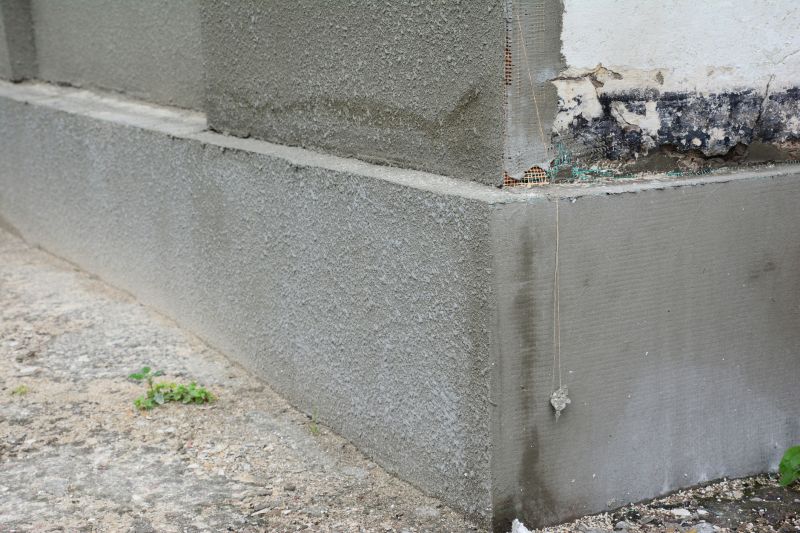 Foundation repairs are essential for maintaining the stability and safety of a structure, especially in areas prone to shifting soil or moisture issues. When considering solutions for foundation stabilization, it is important to explore a variety of products designed to address different types of foundation problems. From underpinning systems to sealing agents, the right products can help improve structural integrity and prevent further damage. Proper assessment by a professional is recommended to determine the most suitable repair approach for your specific situation.
Top Overall Option
Polyurethane Foam Injection Systems
Polyurethane foam injection systems are versatile and minimally invasive solutions used to lift and stabilize foundations affected by soil settlement or minor cracks. These systems work by injecting expanding foam beneath the foundation to fill voids and lift the structure gradually. They are suitable for different types of soil and can be applied to both interior and exterior foundation surfaces. Proper application by trained professionals can help improve the stability of a foundation while minimizing disruption to the property. These systems are often favored for their quick curing times and ability to address specific localized issues effectively.
Types of Products For Foundation Repairs
Carbon Fiber Reinforcement Straps
Used to reinforce and stabilize cracked walls, these straps provide additional tensile strength to prevent further movement.
Push Piers
Installed beneath the foundation, push piers lift and stabilize sinking structures by transferring weight to load-bearing soil.
Helical Piers
Helical piers are screwed into the ground to provide support for foundations that require lifting and stabilization.
Mudjacking and Slab Jacking
This process involves injecting a slurry beneath concrete slabs to lift and level uneven surfaces.
Epoxy Injection Kits
Designed to fill and seal cracks in concrete, epoxy injection helps prevent water intrusion and structural deterioration.
Soil Stabilization Grouts
These grouts are used to improve soil bearing capacity and reduce settlement issues.
Waterproofing Membranes
Applied to exterior foundation walls, waterproof membranes prevent water infiltration and protect against moisture damage.
Sealants and Caulks
Used to seal minor cracks and joints, these products help prevent water entry and further deterioration.
Underpinning Systems
Underpinning involves installing additional support beneath the existing foundation to enhance stability.
Drainage Systems
Proper drainage solutions help divert water away from the foundation, minimizing soil erosion and settlement.
Grouting Materials
Used to fill voids and stabilize soil, grouting materials are essential for supporting foundation structures.
Vapor Barriers
Placed beneath slabs or on walls, vapor barriers help control moisture levels and protect foundation materials.
Concrete Patching Compounds
These compounds repair surface damage and cracks, restoring the integrity of concrete elements.
Anchor Bolts
Used to secure structures to their foundations, anchor bolts provide additional stability in repair work.
Popular Choices
Widely used for localized lifting and stabilization, these systems are appreciated for their quick application and minimal disruption.
Commonly selected for their ability to lift and stabilize sinking foundations, push piers are a popular choice among professionals.
Screwed into the ground, helical piers are favored for their ability to support various foundation types.
A go-to solution for sealing cracks and preventing water ingress, epoxy injections are frequently used in foundation repairs.
A cost-effective method for leveling uneven concrete slabs, mudjacking is often chosen for driveways and patios.
Applying waterproof barriers to exterior walls is a common step in preventing moisture issues.
Effective drainage systems are frequently installed to mitigate water-related foundation problems.
Used to reinforce soil and reduce settlement, these grouts are increasingly popular in foundation repair projects.
Sealants are commonly used to address minor cracks and prevent water intrusion.
Installing vapor barriers helps control moisture levels, a key factor in foundation health.
Many foundation repair products are designed to be durable and long-lasting, providing peace of mind for homeowners and property managers alike. These solutions often involve a combination of techniques such as lifting, leveling, or sealing, depending on the severity and type of foundation issue. Selecting the appropriate products requires understanding the nature of the foundation problems, the soil conditions, and the existing structure. It is advisable to consult with specialists to identify the most effective options for your property.
In Greenville, OH, where soil conditions and weather patterns can influence foundation stability, having access to reliable repair products is particularly important. Quality materials and tools can make a significant difference in the success of a repair project. Whether you are dealing with minor cracks or more significant settlement issues, there are products tailored to various needs. Investing in the right solutions can help preserve the value of your property and ensure safety for its occupants.
Always remember that foundation repair is a specialized field, and while products are crucial, professional installation and evaluation are equally important. Proper application of these products can enhance their effectiveness and longevity. Regular inspections after repairs can help monitor the health of your foundation and catch potential issues early. With the right products and expert guidance, foundation stability can be maintained or restored effectively.
Key Buying Considerations
- Assess the type and severity of the foundation issue to determine the most appropriate product or system.
- Consider the soil conditions and moisture levels at your property, as these influence product effectiveness.
- Evaluate the compatibility of repair products with your existing foundation materials and structure.
- Look for products that have a proven track record of performance in similar applications.
- Ensure that installation is performed by trained and experienced professionals to maximize effectiveness.
- Review the product's curing or setting times to plan repair schedules accordingly.
- Check for warranties or guarantees offered by manufacturers or installers for added peace of mind.
- Consider the long-term maintenance requirements of the repair products used.
- Identify whether the product is suitable for interior, exterior, or both types of applications.
- Factor in the potential disruption to your property during installation and repair work.
- Research local building codes and regulations to ensure compliance with repair methods and materials.
- Determine the cost-effectiveness of different options relative to the extent of the repair needed.
- Review customer feedback and professional recommendations to gauge product reliability.
- Consider environmental factors that may affect the durability of repair materials, such as freeze-thaw cycles.
- Select products that are designed to address specific foundation issues present on your property.